-
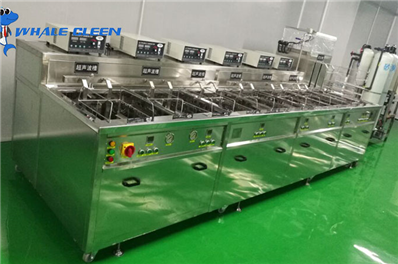 Effective Removal of Metal Contaminants from Electronic Waste using Ultrasonic Cleaning Technology
Electronic waste (e-waste) poses a significant environmental challenge in today's society. E-waste encompasses discarded electronic devices and components, many of which contain various metal elements. These metals may be contaminated due to the prese
-
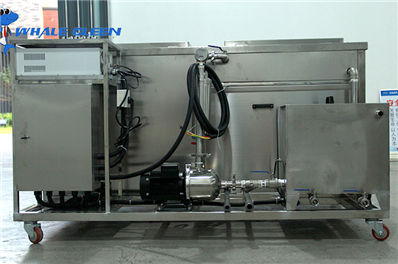 Ultrasonic Cleaning Equipment: The Preferred Tool for Cleaning Ceramic Surfaces
In various industries, the cleanliness of ceramic surfaces is of utmost importance. Ceramics, known for their durability and chemical resistance, are used in applications ranging from medical devices to electronic components. Ensuring these surfaces are f
-
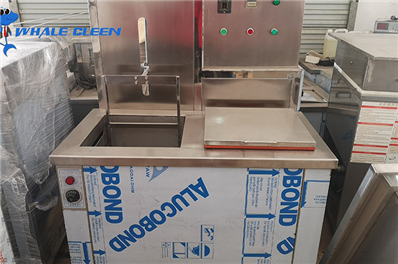 Ultrasonic Cleaning Equipment: A Green Solution for Cleaning Plastic Containers
Introduction In today's environmentally conscious world, industries are constantly seeking innovative ways to adopt greener practices. One such innovation is the use of ultrasonic cleaning equipment, which provides an efficient and eco-friendly sol
-
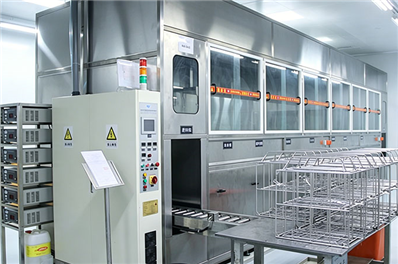 Precision Bearings Prone to Chipping and Scratching? Automated Ultrasonic Cleaning Machine Avoids Component Damage
Precision bearings are the lifeblood of modern mechanical transmission systems—from automotive drivetrains and high-speed machining spindles to aerospace actuators and industrial gearboxes. Yet, in countless workshops and production lines, the delicate ta
-
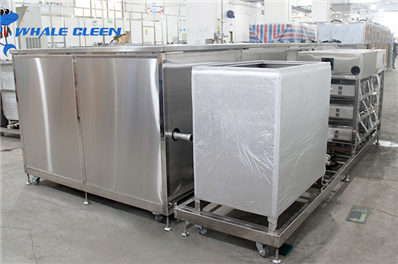 The Same Circuit Board, Different Results: Why Leading Electronics Manufacturers Are Switching to Industrial Ultrasonic Automatic Cleaning Machines
Look at the two PCBs. The first was cleaned with a manual brush and solvent dip. The second came from a fully automated ultrasonic cleaning line. To the naked eye, they look identical—solder joints shining, surfaces spotless, ready for assembly. But un
-
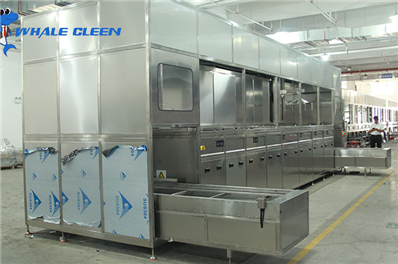 How to Choose a Fuel Injector Ultrasonic Cleaning Machine: A Practical Guide for Workshops and Engine Rebuilders
For automotive workshops, diesel service centers, and engine remanufacturing facilities, few problems are as common—and as frustrating—as clogged fuel injectors. Modern fuel injectors are precision components with microscopic spray holes (often 0.1–0.2 mm
-
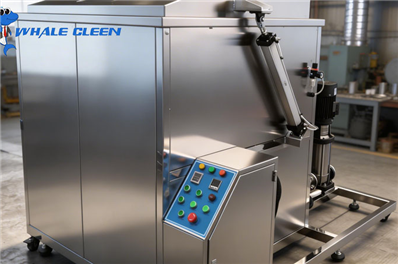 High-Volume Auto Parts Cleaning: Choosing the Right Ultrasonic Machine Saves Significant Costs
In the competitive world of automotive parts manufacturing, every minute and every cent counts. High-volume production of engine blocks, transmission housings, gears, shafts, and valve bodies demands not only precision machining but also equally precise a
-
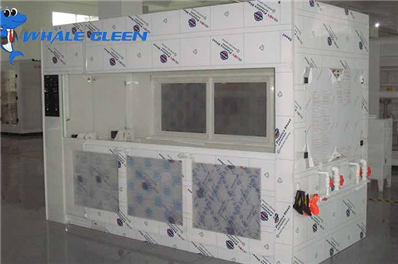 From Single‑Tank to Fully Automated: Where Is the Ceiling for Industrial Ultrasonic Cleaning Machines?
For decades, industrial cleaning was viewed as a necessary but straightforward step—a single tank of solvent, some ultrasonic waves, and a rinse. But as manufacturing tolerances have tightened and component complexity has increased, the question has shift
-
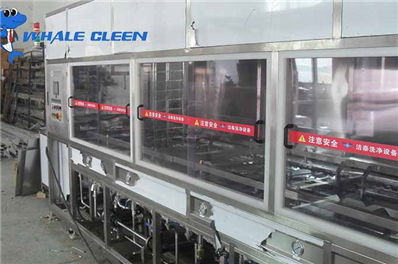 Cleaning Agent Consumption Spiraling Out of Control? How This Equipment Helps You Cut Chemical Costs
Every manufacturing manager knows the drill. You budget for cleaning chemicals, but somehow the actual spend keeps climbing. Drums of expensive cleaning agents disappear faster than expected. Waste disposal costs rise in tandem. And despite the growing ex
-
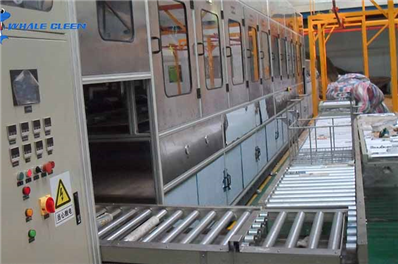 Why Do Ultrasonic Cleaners Heat Up? The Science Behind Temperature Rise and Practical Solutions
Ultrasonic cleaners have become essential tools in various industries, from jewelry cleaning to industrial parts maintenance. Many users notice that during operation, the cleaning solution and the device itself gradually heat up. This phenomenon often rai
-
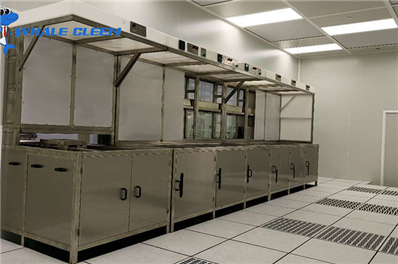 Intelligent Precision: Revolutionizing Industrial Efficiency with Ultrasonic Cleaner Management
In the realm of modern manufacturing, the utilization of ultrasonic cleaners coupled with intelligent management has emerged as a pivotal force in enhancing industrial production efficiency. This article delves into the concept of intelligent management f
-
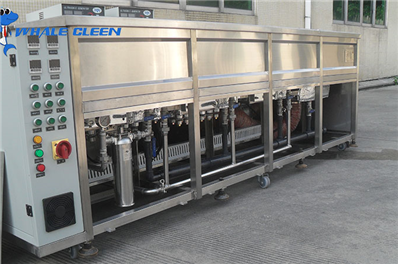 Optimizing Heat Dissipation Efficiency of Circuit Heat Sinks with Ultrasonic Cleaning Technology
In the realm of electronic devices, maintaining optimal operational temperatures is paramount to ensure their reliability and longevity. One integral component responsible for heat management is the circuit heat sink. Its primary function is to conduct an